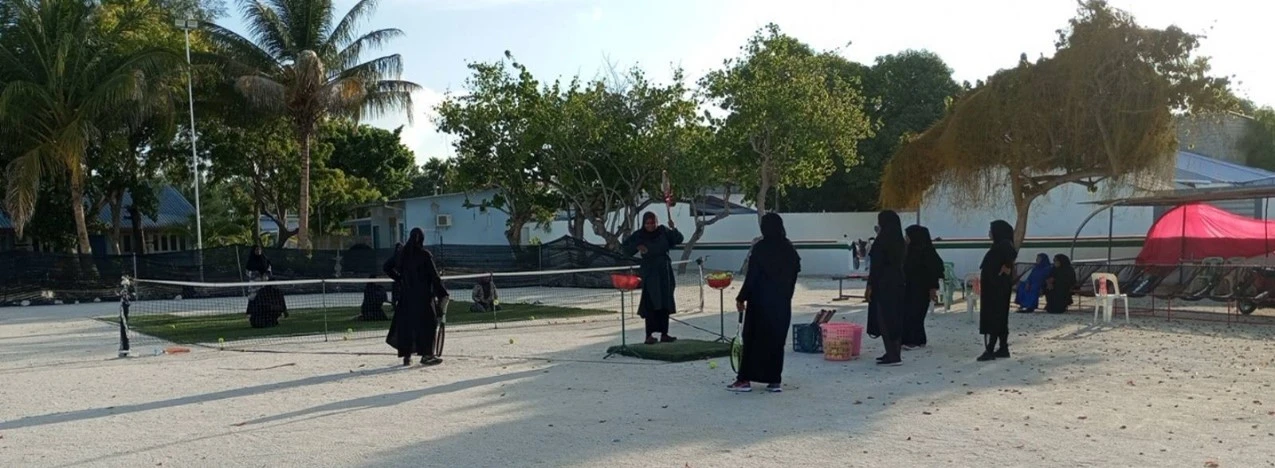
In alignment with SDG and VC strategic priorities 鈥攑romoting good health and well-being through increased participation in physical and recreational activities鈥斔� actively supports community wellness by sharing its sports facilities with the local community across its regional campuses.
In alignment with SDG and VC strategic priorities 鈥攑romoting good health and well-being through increased participation in physical and recreational activities鈥�水果派 actively supports community wellness by sharing its sports facilities with the local community across its regional campuses. This initiative aims to enhance public health, promote active lifestyles, and foster social inclusion by providing easily accessible recreational opportunities.
水果派 extends the use of its on-campus sports facilities to local schools, youth groups, and the general public during designated hours. This open-access initiative is a cornerstone of the College's commitment to community development. Importantly, access to these facilities is provided free of charge to the public during allocated times, ensuring inclusivity and encouraging participation regardless of financial status.
水果派 leverages its regional presence to offer diverse recreational opportunities, ensuring maximum benefit across various atolls. The 水果派 Kulhudhuffushi Campus (VCKC) and the 水果派 Naifaru Campus (VCNC) both open their table tennis facilities to the community daily from 4:00 PM to 8:00 PM. Expanding on this, the 水果派 Hithadhoo Campus (VCHC) provides a wider array of options, including table tennis, carrom, badminton, and chess facilities, also accessible daily from 4:00 PM to 8:00 PM. Furthermore, the 水果派 Laamu Gan Campus (VCLGC), in collaboration with the local council, has established a public sports ground on its premises dedicated for playing Bashi daily between 5:00 PM and 6:30 PM. This variety caters to different age groups and interests, contributing to improved fitness, coordination, and overall community cohesion.
In 2024, the shared facilities were consistently utilized by various community groups, particularly students and youth. On average, the sports facilities at each campus were accessed for approximately 2 hours daily. This shared access has had a demonstrably positive impact on community health and social interaction, providing a safe and inclusive environment for physical activity. Local schools have also improved engagement in their sports programs due to the availability of these resources.
Access to the facilities is governed by the Campus Facilities Utilization Guidelines for Students, Alumni, and the Public. These guidelines outline clear procedures for booking, supervision, and maintenance, ensuring the efficient and safe use of the facilities. Community groups can easily request access through their respective campus administration. Through these sustained and managed initiatives, 水果派 successfully reinforces its commitment to community well-being, inclusivity, and sustainable development, directly contributing to global health and wellness goals.
